Sumac Lemonade: A Tangy Middle Eastern Cooler
Ground sumac, the tart red spice sprinkled on salads and grilled food across the Middle East, steeps into a bright, lemony cold drink with no lemons needed.
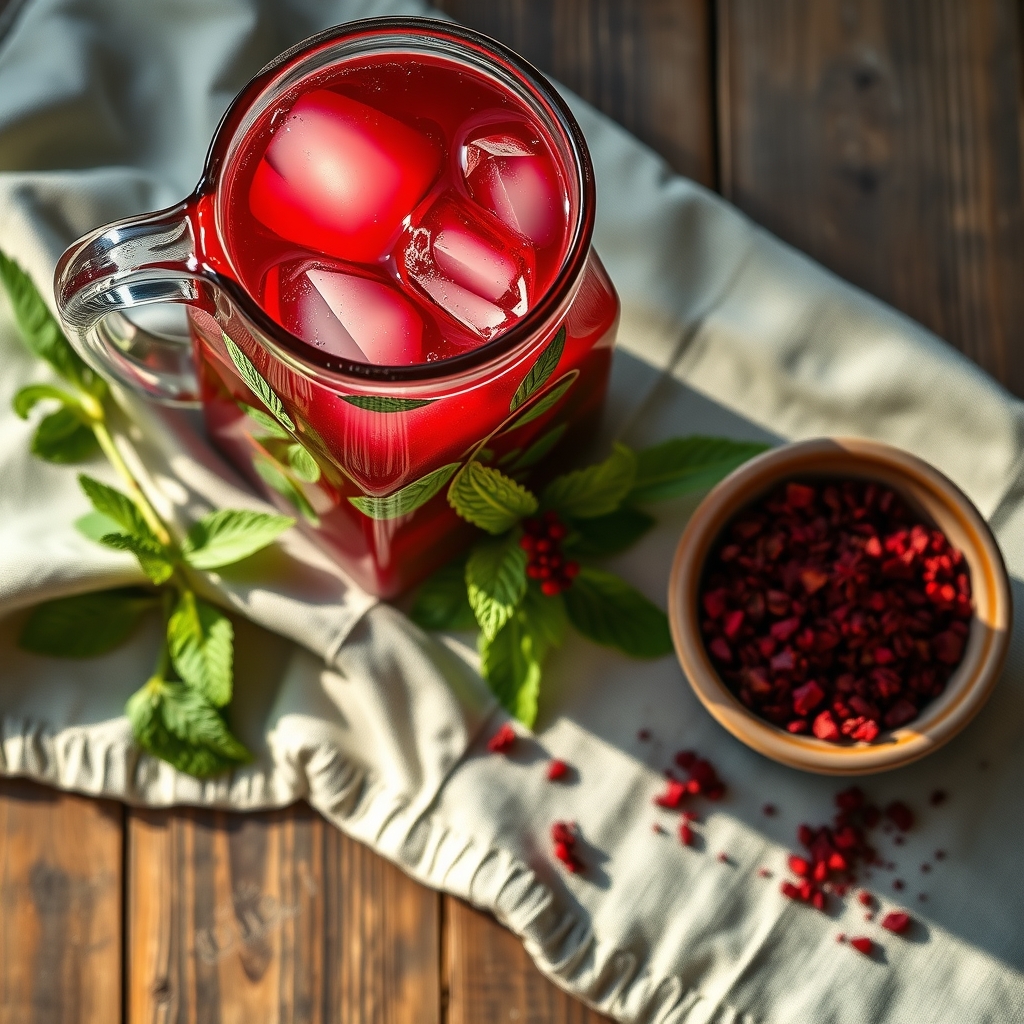
If you have eaten fattoush or za'atar flatbread, you have probably tasted sumac. The ground spice has a sour, fruity tang that cooks often use in place of lemon juice.
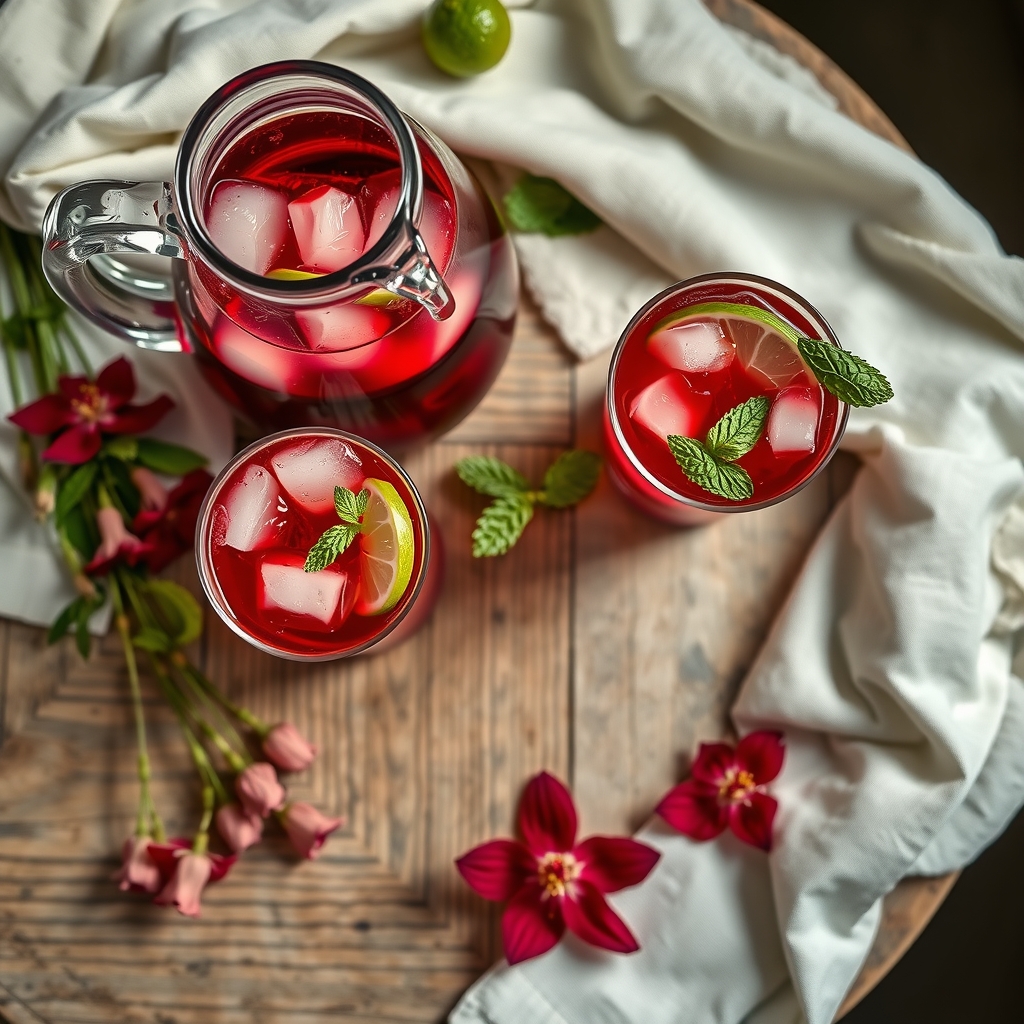
Soak it in cold water and that tang moves into the water, turning it a deep pink-red. Strained, lightly sweetened and poured over ice, it makes a refreshing drink often called sumac lemonade. Here is how to make it, plus the one safety point everyone asks about: the difference between the spice and poison sumac.
Culinary sumac is not poison sumac
The spice comes from Rhus coriaria, a shrub native to the Mediterranean and Middle East. Its dried, ground fruit is a widely used seasoning.
Poison sumac is a completely different plant that grows wild in the United States. According to the CDC, it is a woody shrub with stems carrying 7 to 13 leaves in pairs and glossy, pale yellow or cream-colored berries. Like poison ivy, it contains urushiol, an oily substance that causes an itchy, blistering rash in most people who touch it. Burning it can cause serious breathing problems.
The safe approach is simple: use only sumac sold as a cooking spice. Never pick wild sumac berries to make this drink unless you are an expert and completely sure of the plant.
Sumac Lemonade
You need
- cold drinking water1 liter (4 cups)
- ground culinary sumac (Rhus coriaria)3 tablespoons
- honey or sugar, to taste2 to 3 tablespoons
- fresh mint leaves1 small handful
- ice cubesto serve
Method
- Put the sumac in a large jug, pour in the cold water and stir well.
- Leave it to steep at room temperature for 20 to 30 minutes, stirring once or twice. The water will turn deep pink-red.
- Line a sieve with a coffee filter or a clean, thin cloth and strain the liquid into a second jug. Do not squeeze too hard, or the drink will be cloudy and gritty.
- Stir in the honey or sugar until dissolved. If using honey, mix it with a splash of warm water first so it blends easily.
- Add the mint, chill, and serve over ice.
Tips
- Keep it covered in the fridge and drink it within 2 days.
- For extra flavor, add a few slices of cucumber or a splash of pomegranate juice.
- Some ground sumac is sold mixed with salt. Check the label and choose plain sumac for drinks.
What the evidence says
Most people make sumac lemonade simply because it tastes good. If you are curious about health effects, the research is early.
A 2025 review pooled 15 small trials with 917 participants, all carried out in Iran. People took 1 to 6 g of sumac a day, usually in capsules, for 4 to 12 weeks. Sumac was linked with modest drops in fasting blood sugar and some cholesterol measures. The authors rated the certainty of most of these findings as low or very low, and sumac made no difference to weight or waist size.
In short, sumac may have small effects on blood sugar and blood fats, but the evidence is not strong enough to rely on. Enjoy this drink as a flavorful way to stay hydrated, not as a treatment.
Keeping it light on sugar
Sumac is sour, so most recipes add sweetener. The NHS advises adults to have no more than 30 g of free sugars a day, about 7 sugar cubes, and points out that honey and syrups count toward that total.
This recipe uses a modest amount spread across four glasses. Taste before you sweeten, and add only as much as you need. Plenty of fresh mint and ice also make it taste less sharp.
Questions people ask
Does sumac lemonade contain lemons?
It does not need any. The sour taste comes from the sumac itself. You can add a squeeze of lemon if you like it extra sharp.
Can I use whole dried sumac berries?
Yes, if they are sold as a food spice. Crush them lightly and steep them for a little longer, around 45 minutes, then strain well.
Will sumac lemonade lower my cholesterol or blood sugar?
You should not count on it. Small trials of sumac capsules found modest changes, but the certainty of the evidence is low. Keep taking any treatment your doctor has prescribed.
Sources
- Sumac (Rhus coriaria L.) and Human Metabolic Health: A Systematic Review and Meta-Analysis — Endocrinology, Diabetes and Metabolism (via PubMed Central)
- Poisonous Plants and Work — CDC (NIOSH)
- Sugar: the facts — NHS
- Botulism Prevention — CDC
This article is for general information only and is not medical advice. Herbs can interact with medicines and health conditions. Talk to a doctor or pharmacist before trying a herbal remedy, especially if you are pregnant, breastfeeding, giving it to a child, or taking any medication.