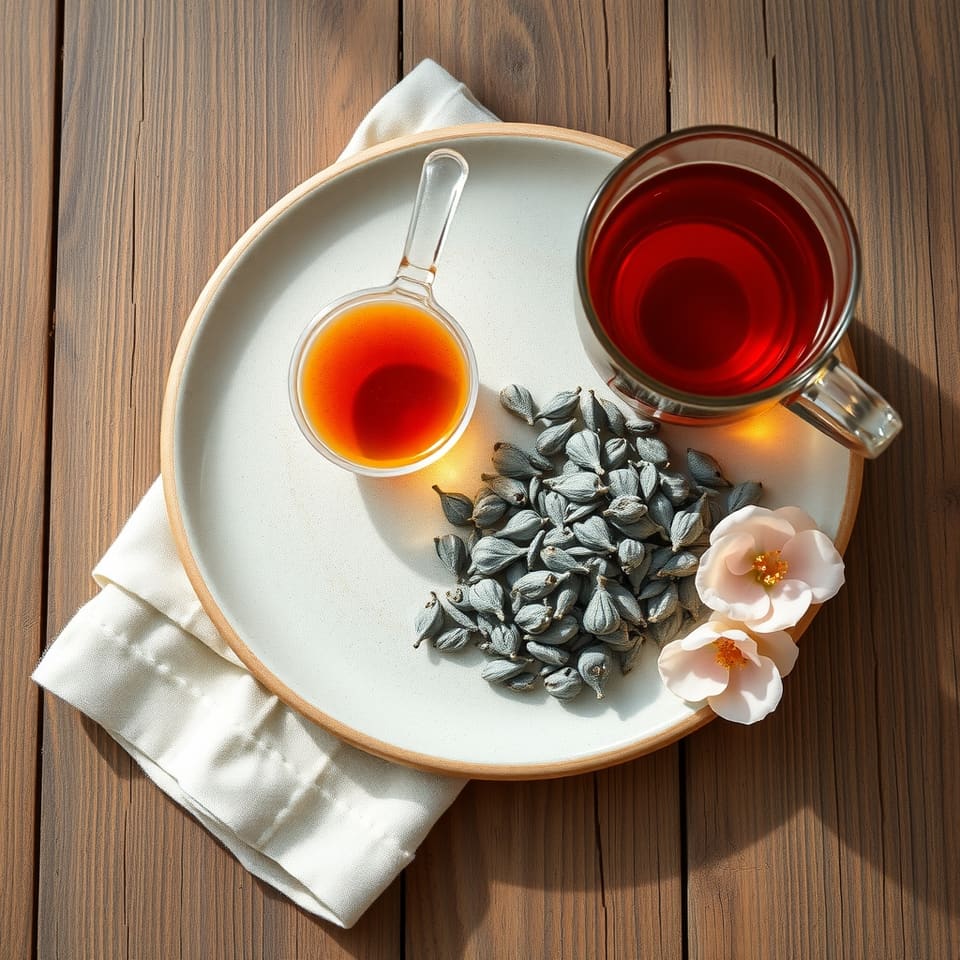
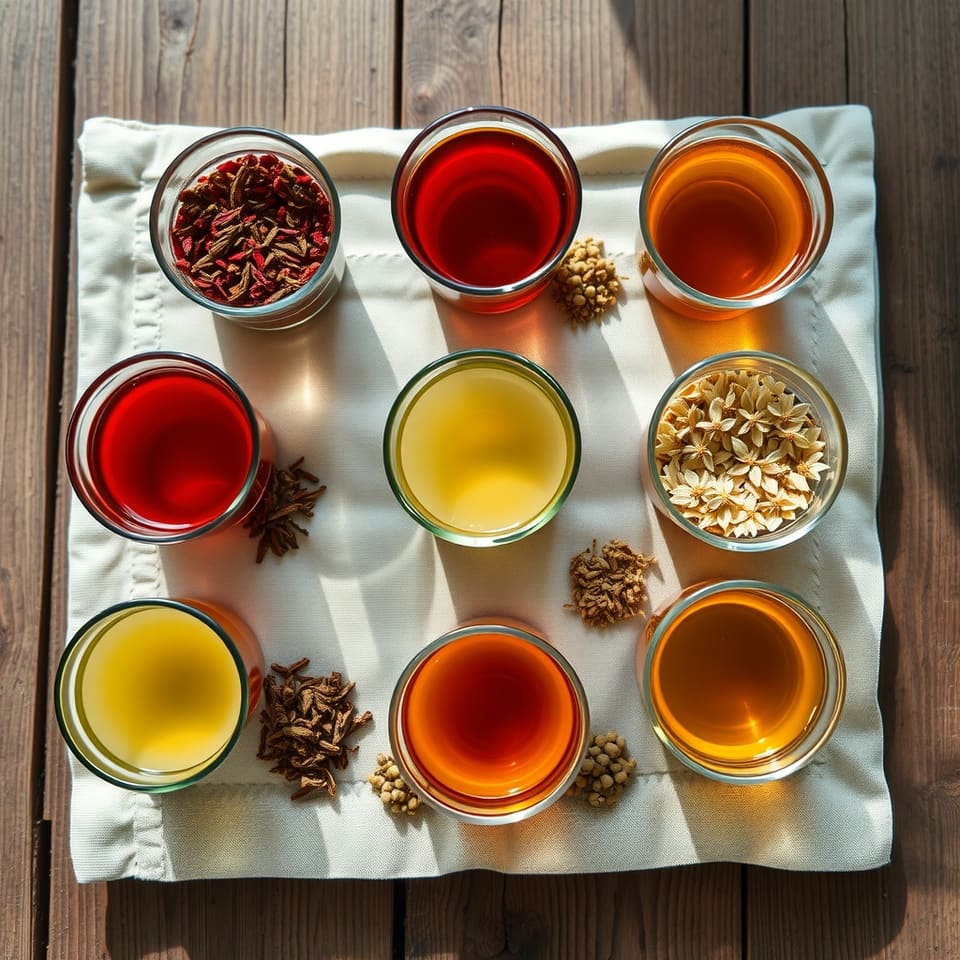
Pomegranate Peel Tea: What to Know Before You Brew
Drying pomegranate peels and simmering them into tea is a popular idea online and in some family kitchens. Here is what the peel contains, why cancer-center experts say to avoid it, and a warm pomegranate drink you can enjoy instead.

Pomegranates are loved from the Mediterranean to the Middle East, India and California, and nobody likes to waste food. So it is easy to see the appeal of drying the thick, leathery peel and simmering it into a reddish-brown tea. Online posts promise everything from a calmer stomach to better skin.
The trouble is that the peel is not the same as the fruit. Before you start a jar of drying peels, it is worth knowing what the research says, and what one of the most respected herb databases advises.
What is in pomegranate peel
The peel is rich in plant compounds, especially tannins, which give it its strong, drying, bitter taste. Researchers have also found flavonoids, phenolic acids such as gallic and ellagic acid, and a large tannin called punicalagin, described as the main active compound in pomegranate.
These substances are why scientists are interested in the peel. In a 2025 lab study, compounds isolated from pomegranate peel slowed the growth of bacteria in test tubes, and the extract did not damage human skin cells grown in the lab. That is promising for uses such as natural food preservatives, but it tells us nothing about what happens when a person drinks peel tea every day.
Warm Pomegranate Seed Tea
You need
- fresh pomegranate seeds (arils)3 tbsp
- hot water, just off the boil250 ml (1 cup)
- small cinnamon stick, or 4 to 5 fresh mint leaves1
- thin slice of lemon, optional1
- honey, optional1 tsp
Method
- Put the pomegranate seeds in a mug and press them lightly with the back of a spoon to release their juice.
- Add the cinnamon stick or mint leaves and the lemon slice.
- Pour over the hot water and let it steep for 5 minutes.
- Strain if you prefer a clear drink, or leave the seeds in and eat them with a spoon at the end.
- Stir in honey if you like, and sip once it is cool enough to drink comfortably.
Tips
- To free the seeds without mess, cut the fruit in half and tap the back firmly with a wooden spoon over a bowl.
- For a summer version, let the tea cool, add ice and top up with sparkling water.
- Seeds keep in a closed container in the fridge for a few days and can also be frozen in a single layer.
What the evidence says
There is no good human research on pomegranate peel tea. The 2025 study did not test peel in people at all, and its safety checks were limited to cells in a dish.
Memorial Sloan Kettering Cancer Center, in its About Herbs database, gives clear advice: avoid eating the root, stem or peel of the pomegranate. Its guidance on the fruit itself is more encouraging. Pomegranate juice and seeds are rich in polyphenols with antioxidant activity, mostly shown in lab and animal studies, and small human studies hint at possible benefits for the heart and cholesterol. Even there, the evidence is described as preliminary.
Putting it together, the useful and well-studied part of the pomegranate is the part you already eat. The peel is interesting to scientists, but it is not something to brew as a daily home remedy.
Even the fruit needs some care
Most people can enjoy pomegranate seeds and juice freely as food. Memorial Sloan Kettering lists diarrhea as the main side effect, and notes that people with diabetes should watch the natural sugar in juice.
There are also a few medicine interactions to know about. A case report suggests pomegranate may raise bleeding risk with warfarin, and the database warns that juice may increase the risk of muscle damage with statins.
Questions people ask
Is pomegranate peel tea good for diarrhea?
The peel is full of tannins, which is why it is often suggested, but there is no good human evidence that peel tea helps, and experts advise against eating the peel. For diarrhea, focus on fluids and see a doctor if it lasts or is severe.
Is a single cup of peel tea dangerous?
There is not enough information to say how much is harmful, which is exactly the problem. Since the safety has not been studied in people, the cautious choice is not to drink it.
What can I do with pomegranate peels instead?
Add them to your compost. If you want to use the fruit fully, eat the seeds, enjoy the juice, and make the warm seed tea above.
Sources
- Pomegranate (About Herbs) — Memorial Sloan Kettering Cancer Center
- Identification of Punicalagin as a Key Bioactive Compound Responsible for the Antimicrobial Properties of Punica granatum L. Peel Extract against Staphylococcus aureus (Journal of Agricultural and Food Chemistry, 2025) — PubMed Central, NIH
This article is for general information only and is not medical advice. Herbs can interact with medicines and health conditions. Talk to a doctor or pharmacist before trying a herbal remedy, especially if you are pregnant, breastfeeding, giving it to a child, or taking any medication.