Oregano Tea: Kitchen Tradition and Safety
Oregano is not just for pizza. In many Mediterranean homes it is also brewed as a simple tea. Here is how to make it, what the evidence shows, and the one thing you should never do with oregano oil.
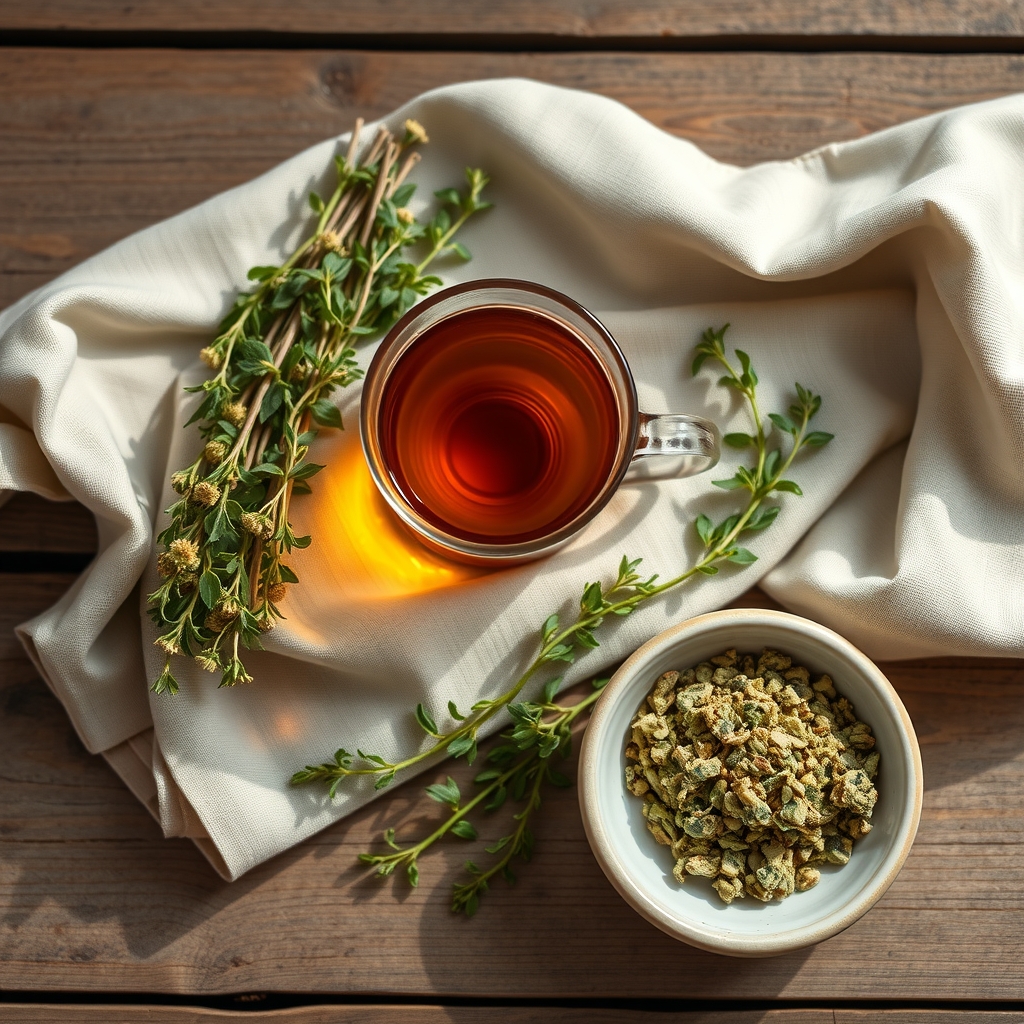
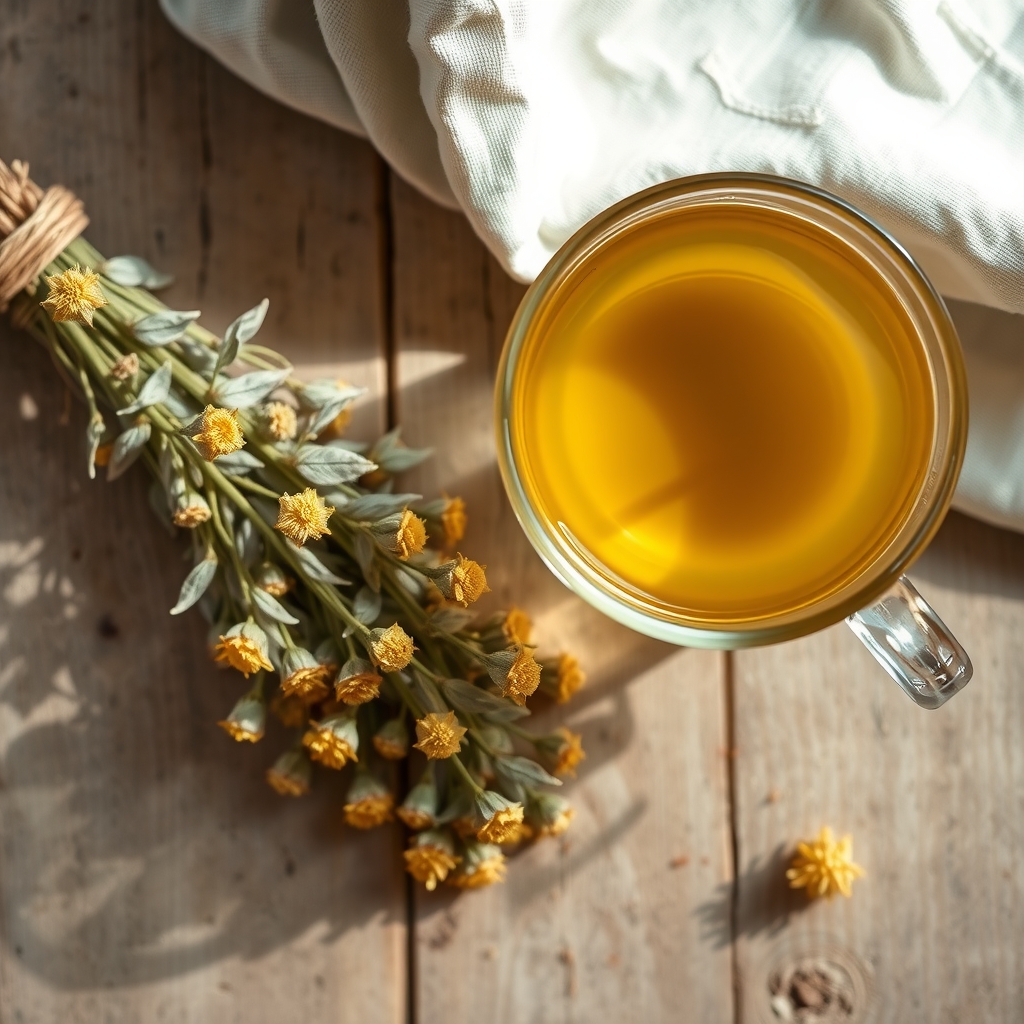
In Greece, Cyprus, Turkey and much of the Mediterranean, dried oregano hangs in bundles in the kitchen. Most of it ends up in salads and stews, but a pinch is sometimes steeped in hot water as a warm, herby drink, especially in winter.
Oregano tea tastes earthy, a little peppery and slightly bitter, rather like a softer version of thyme. It is easy to make with what is already in your spice cupboard. This guide covers how to brew it, what we actually know about it, and the safety points that matter most.
A kitchen tradition
Oregano belongs to the mint family, alongside thyme, sage and marjoram. Mediterranean wild oregano, often sold dried on the stem, tends to be the most aromatic.
According to the U.S. National Library of Medicine's LactMed database, oregano has been used in medicinal doses for respiratory and digestive complaints and as an antimicrobial. In everyday home use, though, a cup of oregano tea is usually just a comforting hot drink, often sweetened with a little honey.
Simple Oregano Tea
You need
- water, just off the boil250 ml (1 cup)
- dried oregano leaves, or 2 to 3 fresh sprigs1 tsp
- honey, optional1 tsp
- thin slice of lemon, optional1
Method
- Put the dried oregano or rinsed fresh sprigs in a mug or small teapot.
- Pour the hot water over the herb and cover with a saucer.
- Steep for 5 minutes. Oregano turns bitter quickly, so taste before steeping longer.
- Strain into a clean mug.
- Let it cool to a comfortable temperature, then stir in honey and lemon if you like.
Tips
- Use dried oregano leaves, not a seasoning mix, which may contain salt, garlic or other spices.
- If the taste is too strong, halve the oregano or add a few mint leaves.
- Dried oregano on the stem can be crumbled straight into the mug and strained out.
What the evidence says
The research on oregano as a drink is very limited. LactMed, which reviews the evidence on herbs and breastfeeding, says no data exist on the safety or effectiveness of oregano in nursing mothers or infants. We did not find good human trials testing oregano tea for any health problem.
Much of the excitement you see online is about oregano oil, a concentrated extract. LactMed notes that oregano oil has been promoted for some uses, but no clinical studies have confirmed that those uses are safe or effective. Results from lab dishes do not tell you what happens inside the human body.
The fair summary is this: oregano in food and as a mild tea appears to be well tolerated by most people, and LactMed notes it is generally recognized as safe as a food ingredient in the U.S. But there is no solid evidence that oregano tea treats or prevents any illness.
Why oregano oil is different
Oregano tea and oregano oil are not the same thing. A cup of tea contains only a small, diluted amount of the plant's aromatic compounds. Essential oil is extremely concentrated.
Johns Hopkins Medicine warns that essential oils are highly concentrated and can be toxic if swallowed, and that safety studies are limited. Do not put drops of oregano oil in water, tea or capsules as a home remedy, and keep any essential oils well out of reach of children.
Questions people ask
Is oregano tea the same as marjoram tea?
They are close relatives with similar, earthy flavors, but marjoram is sweeter and milder. Both can be brewed the same way.
Can oregano tea replace antibiotics?
No. There is no good evidence that oregano tea treats infections. If you think you have a bacterial infection, see a doctor.
How much is reasonable to drink?
A cup now and then is a typical kitchen use. Because there is so little research, it makes sense to keep it occasional rather than drinking large amounts every day.
Sources
- Oregano (Drugs and Lactation Database, LactMed) — National Library of Medicine (NCBI Bookshelf)
- Are Essential Oils Safe for Children? — Johns Hopkins Medicine
- Are You Considering a Complementary Health Approach? — NCCIH
This article is for general information only and is not medical advice. Herbs can interact with medicines and health conditions. Talk to a doctor or pharmacist before trying a herbal remedy, especially if you are pregnant, breastfeeding, giving it to a child, or taking any medication.