Pickled Capers: How to Pick and Pickle Caper Buds
The caper bush grows wild in stone walls around the Mediterranean, and its tiny flower buds become one of the kitchen's sharpest, saltiest flavors. Here is how to pick them and turn them into a safe refrigerator pickle.
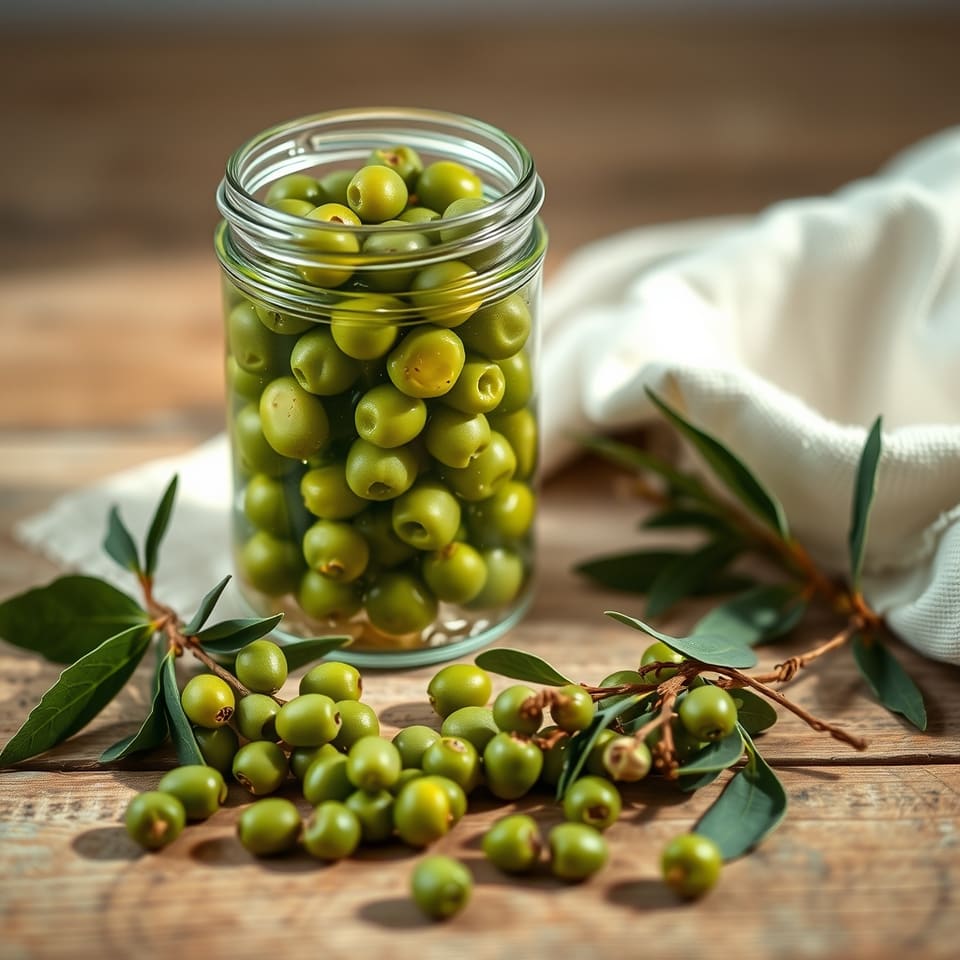
Capers are not seeds or berries. They are the unopened flower buds of the caper bush, Capparis spinosa, a sprawling plant that clings to rocks, old walls and dry hillsides around the Mediterranean and beyond. Left on the plant, each bud opens into a showy white flower.
Fresh from the plant, the buds taste harsh and bitter. Curing in salt, brine or vinegar is what turns them into the tangy little pops that brighten pasta, fish, salads and sauces. If you have a caper bush nearby, pickling your own is easy, as long as you follow a few food-safety basics.
Picking caper buds
University of Wisconsin Extension describes the ideal bud as still immature, dark olive green and about the size of a fresh corn kernel. Smaller buds are prized and sold by size, with the tiniest fetching the highest prices. The plant flowers from late spring into early autumn, so you can pick new buds every few days.
Buds are picked by hand, traditionally in the morning, which is part of why capers are expensive. Wear gloves, as many caper bushes have small hooked thorns. Pick only from plants you can identify with certainty, away from busy roads, and only where you have permission.
If some buds escape you, the flowers are followed by oblong fruits called caper berries. These are pickled separately and eaten like olives. In Cyprus and Greece, the tender young shoots and leaves are also pickled and served as a meze.
Refrigerator Pickled Capers
You need
- fresh caper buds, stems removed150 g (about 1 cup)
- cold water, changed dailyfor soaking
- white wine vinegar or cider vinegar labeled 5 percent acidity, undiluted200 ml (3/4 cup plus 1 tbsp)
- canning or pickling salt1 tsp (about 6 g)
- small bay leaf, optional1
- whole black peppercorns, optional1/2 tsp
Method
- Rinse the buds in cold water and discard any that have opened, are bruised or show insect damage.
- Put the buds in a bowl, cover with cold water and refrigerate. Change the water once a day for 3 days. This traditional soak softens the harsh, bitter taste of raw buds.
- Wash a small glass jar and its lid in hot, soapy water and rinse well.
- In a stainless steel or enamel pan, heat the vinegar and salt until the salt dissolves and the liquid just comes to a boil.
- Drain the buds and pack them into the jar with the bay leaf and peppercorns. Pour over the hot vinegar to cover them completely.
- Let the jar cool, close it and refrigerate at 4 °C (40 °F) or below. Wait 3 to 4 days before eating so the flavor develops, and finish the jar within 2 weeks of making it.
Tips
- Do not water down the vinegar to make the pickle milder. If it tastes too sharp, rinse the capers briefly before using them.
- Use a clean spoon each time and keep the capers covered by vinegar.
- Add capers at the end of cooking. Long simmering dulls their flavor.
Where the flavor comes from
According to Wisconsin Extension, the familiar caper flavor develops when a mustard-oil compound called glucocapparin is released from each bud during curing. The same process produces rutin, a plant compound that can show up as tiny white crystals on the surface of cured capers. Those spots are normal, not mold.
Commercially, buds are often dried in the sun first, then brined, packed in salt or pickled in a salt and vinegar solution. At home, a vinegar pickle kept in the fridge is the simplest method to get right.
What the evidence says
Safe pickling depends on acid. The National Center for Home Food Preservation recommends vinegar of 5 percent acidity, says to use only recipes with tested proportions and warns not to change the amounts of vinegar, food or water or to use vinegar of unknown strength. It also advises canning or pickling salt, because anti-caking agents in other salts can cloud the brine.
We could not find a tested home canning recipe for capers from a food-safety authority, so this recipe is a refrigerator pickle, not a shelf-stable one. The Wisconsin Safe Food Preservation Series notes that fresh-pack pickles can be kept in the fridge only for short periods, about several weeks, and may become unsafe if stored much longer.
Capers are also very salty. The World Health Organization advises adults to keep salt below 5 g a day, so use them as a seasoning, not a side dish.
Questions people ask
What is the difference between capers and caper berries?
Capers are the unopened flower buds. Caper berries are the larger fruits that form after the flower opens. Both are pickled, but caper berries are eaten whole, like olives.
Can I eat caper buds raw?
They are not usually eaten raw, because they taste harsh and bitter. Their familiar flavor only develops during curing in salt, brine or vinegar.
Can I grow a caper bush in a pot?
Yes, in a warm, very bright spot with sharp drainage and little water. Wisconsin Extension notes that in cold climates the pot must come indoors before frost.
Sources
- Capers, Capparis spinosa — University of Wisconsin-Madison Extension
- General Information on Pickling — National Center for Home Food Preservation
- Wisconsin Safe Food Preservation Series: Refrigerator Pickle Recipes — University of California Agriculture and Natural Resources (hosted copy)
- Healthy Diet — World Health Organization
This article is for general information only and is not medical advice. Herbs can interact with medicines and health conditions. Talk to a doctor or pharmacist before trying a herbal remedy, especially if you are pregnant, breastfeeding, giving it to a child, or taking any medication.