How to Dry and Store Kitchen Herbs at Home
Drying your own mint, sage or lemon verbena is easy and keeps your tea jar full all winter. The key is getting herbs fully dry, fast, so mold never gets a chance.
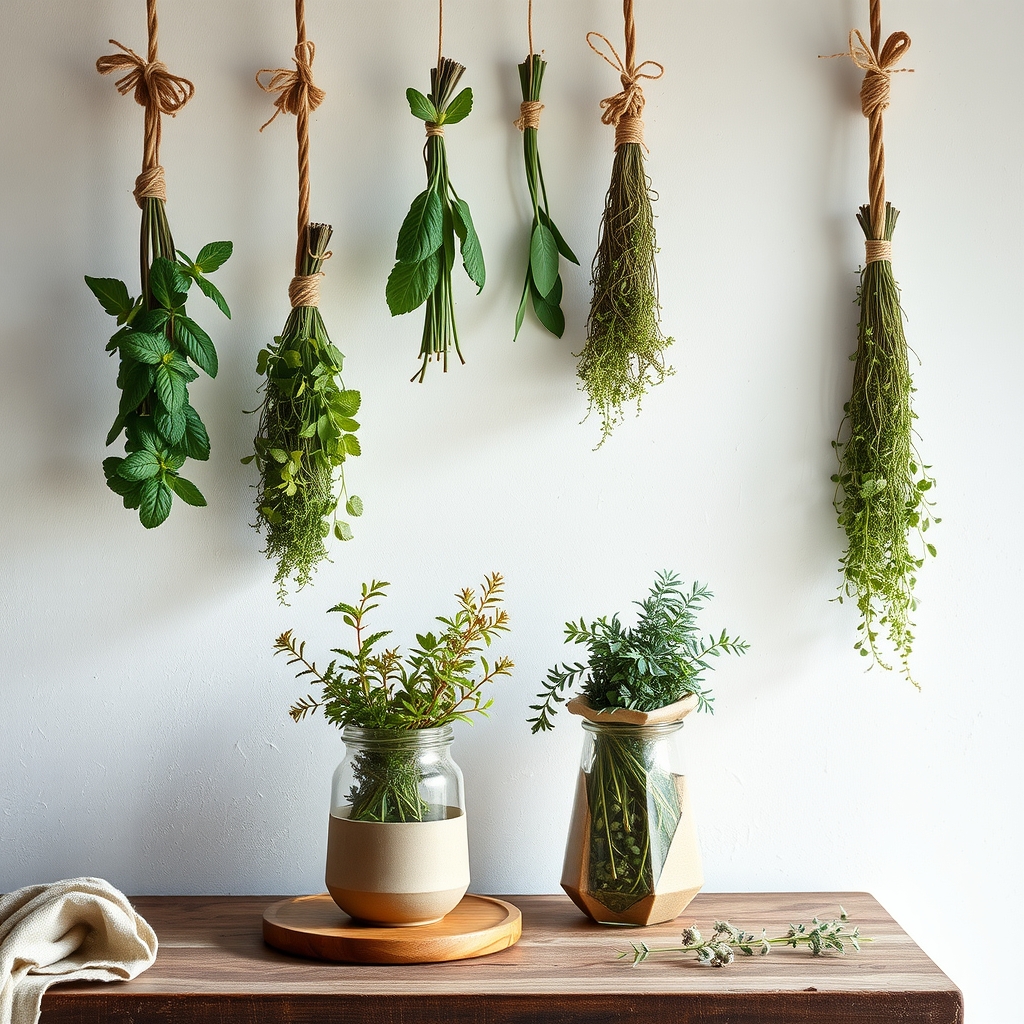
A pot of mint or a bushy sage plant often gives you far more leaves than you can use fresh. Drying the extra is a simple way to stock your own tea and cooking jars for the colder months.
Home drying is safe and easy when you follow a few rules. The big ones are to start clean, dry quickly and completely, and store herbs where moisture cannot creep back in. Here is how to do it step by step.
Step by step: air drying
Step 1: Harvest healthy stems on a dry morning, after any dew has gone. Skip leaves that are yellow, spotted, or damaged.
Step 2: Wash your hands, then rinse the herbs under cool running water, as the CDC recommends for all fresh produce. Shake them well and pat them completely dry with a clean towel. Wet leaves dry slowly and are more likely to spoil.
Step 3: Tie small bundles of 5 to 8 stems with string. Small bundles let air reach every leaf.
Step 4: Hang the bundles upside down in a warm, dry, airy room out of direct sun. A spare room or a shaded spot away from the kitchen stove works well. Avoid steamy kitchens and bathrooms.
Step 5: Check them every few days. Most leafy herbs are ready in 1 to 2 weeks, when the leaves feel crisp and crumble easily between your fingers. Flowers such as chamomile can be spread in a single layer on a clean tray or paper instead.
Step by step: oven or quick drying
If your home is humid, a faster method helps. Spread clean, dry leaves in a single layer on a baking tray lined with paper.
Set the oven to its lowest setting, ideally around 50 to 60°C (120 to 140°F), and prop the door open slightly so moisture can escape. Check every 20 to 30 minutes and turn the leaves. They are done when crisp, which often takes 1 to 4 hours depending on the herb.
A food dehydrator on its herb setting does the same job with less watching. Whatever method you use, let the leaves cool fully before storing them, or warm leaves will sweat inside the jar.
Storing dried herbs
Strip the crisp leaves from the stems and store them whole or lightly crumbled in clean, dry, airtight glass jars. Whole leaves hold their aroma longer; crumble them just before use.
Keep jars in a cool, dark cupboard away from the stove, the kettle, and sunny windows. Label each jar with the herb name so you do not mix up look-alikes.
Check your jars now and then. If you see any fuzz, dark spots, or condensation, or if the herbs smell musty instead of fragrant, throw the whole jar away. Do not try to rescue moldy herbs by picking out the bad bits.
What the evidence says
Research on home herb drying is limited, so these steps follow general food-safety and mold-prevention advice rather than herb-specific studies.
Mold needs moisture. Mayo Clinic notes that mold grows where there is excess dampness and poor ventilation, and that indoor humidity above 50% can encourage it. That is why fast, thorough drying and airtight storage matter. Mold exposure can also trigger symptoms in people with mold allergy or asthma.
Herbs kept in oil are a different case. The CDC warns that homemade oils made with garlic or herbs carry a botulism risk. It advises keeping them in the fridge and throwing them away after 4 days. Dried herbs stored in a jar on their own do not need this step.
Questions people ask
Can I dry herbs in the microwave?
Some people do, but it is easy to scorch the leaves and the results are uneven. Air drying or a very low oven gives you more control.
How long do dried herbs last?
Stored airtight in the dark, most dried leafy herbs keep good flavor for several months up to about a year. Smell them before use: if the aroma has faded, the flavor has too. Throw out any that smell musty.
Can I store fresh herbs in olive oil instead?
Only for a short time and only in the fridge. The CDC advises refrigerating homemade oils made with garlic or herbs and discarding them after 4 days because of the risk of botulism.
Sources
- Botulism Prevention — CDC
- Preventing Food Poisoning — CDC
- Mold allergy - Symptoms and causes — Mayo Clinic
- Symptoms of Botulism — CDC
This article is for general information only and is not medical advice. Herbs can interact with medicines and health conditions. Talk to a doctor or pharmacist before trying a herbal remedy, especially if you are pregnant, breastfeeding, giving it to a child, or taking any medication.