Herbal Weight Loss Pills: The Dangers to Know
A label that says natural or herbal does not mean safe. Here is what US and UK health agencies have found inside slimming pills and teas, and the red flags to look for before you buy.
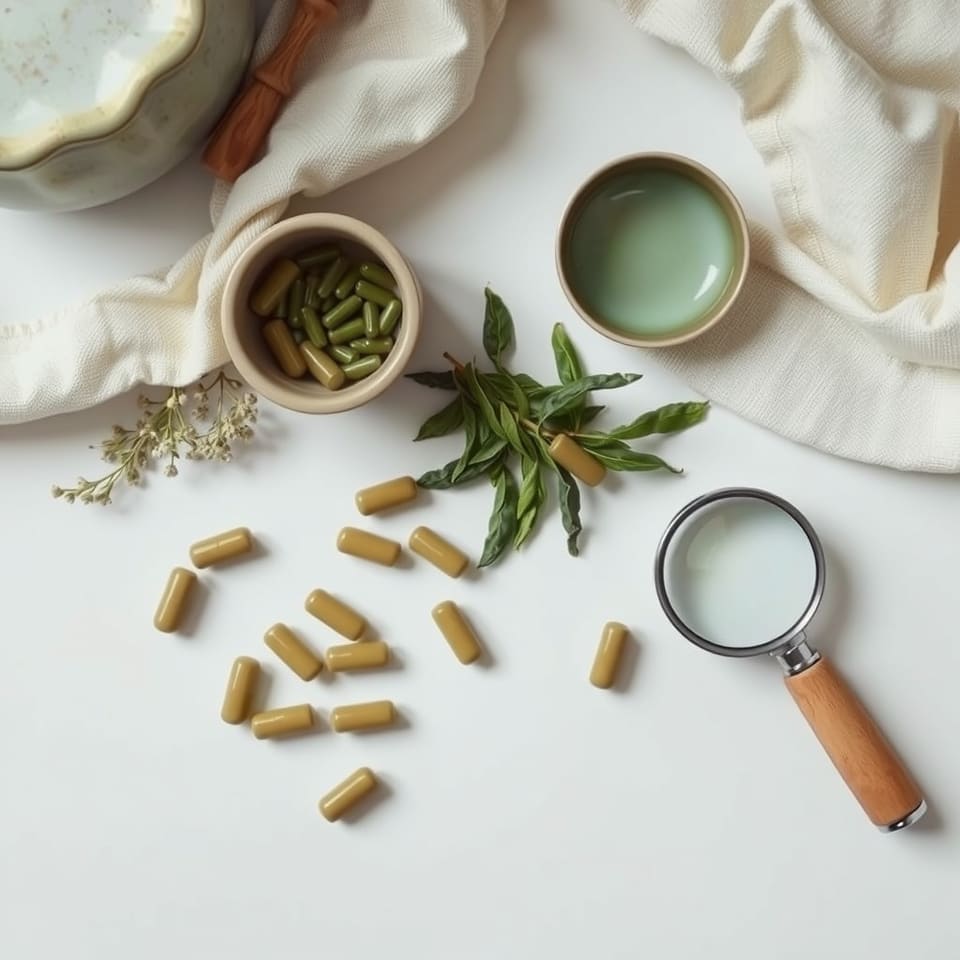
Slimming pills sold as herbal or natural promise an easy fix, often with words like fat burner, metabolism booster or clinically proven. It is easy to assume that anything made from plants must be gentle.
Health agencies see it differently. The US National Institutes of Health says there is little scientific evidence that weight-loss supplements work, and the FDA has found some of them secretly contain prescription drugs. This guide explains the real risks and how to protect yourself.
Why these pills are not checked before you buy them
In the US, dietary supplements do not need FDA review or approval before they go on sale, according to the NIH Office of Dietary Supplements. Makers do not have to prove a product is safe or that it works first. The FDA can remove unsafe products, but usually only after problems appear.
Labels are not always accurate either. NCCIH notes that lab tests sometimes find differences between what the label lists and what the product actually contains, and the Office of Dietary Supplements warns that caffeine is not always listed.
Hidden drugs in herbal slimming products
The FDA has found weight-loss products, many marketed as dietary supplements, that contained undeclared prescription drugs. These included sibutramine, a weight-loss drug withdrawn from the US market in 2010 after data showed a higher risk of heart attack and stroke. Some products told users to take more than three times the recommended daily dose of sibutramine.
Other hidden ingredients the FDA has reported include phenolphthalein, which studies have linked to a possible cancer risk, bumetanide, a strong water pill that can cause serious loss of fluid and salts, and fluoxetine, an antidepressant. None of these would appear on the label, so you could take a prescription drug without knowing it.
What the evidence says
Even honestly labeled herbal products have a weak record. NCCIH says green tea extract, Chinese herbs and bitter orange have not been shown to be effective for weight loss, and each has side effects. The Office of Dietary Supplements links green tea extract to liver damage in some people, while drinking green tea itself is considered safe. Bitter orange can cause chest pain, a faster heart rate and higher blood pressure.
Ephedra, once common in slimming pills, was banned from US supplements in 2004 because it can cause stroke, seizures, heart attack and death. NCCIH warns that some ephedra-free products contain caffeine or caffeine-containing herbs such as guarana, which can cause a fast or irregular heartbeat.
Laxative teas are another trap. Senna is a laxative meant for occasional constipation. The NHS advises taking it only occasionally and for a few days at a time, because longer use can cause diarrhea, an electrolyte imbalance and, over months, a bowel that struggles to work on its own.
According to the Office of Dietary Supplements, the approach shown to work is a healthy eating pattern, fewer calories and regular physical activity.
How to check a product, step by step
Step 1: Look for red flags. The FDA warns about promises of an easy fix, a secret ingredient, or claims that a product is safe because it is natural.
Step 2: Read the label for stimulants and laxatives, such as caffeine, guarana, bitter orange, green tea extract or senna.
Step 3: Before taking any weight-loss supplement, show it to your doctor or pharmacist, especially if you take other medicines.
Step 4: If you feel unwell after taking one, stop it and get medical advice. Keep the package so you can show what you took.
Questions people ask
Are herbal weight loss pills safer than prescription ones?
Not necessarily. They are not reviewed before sale, their labels may be inaccurate, and some have been found to contain prescription drugs that were never listed.
Do slimming teas work?
Some contain laxatives such as senna, which act on the bowel. The NHS advises using senna only occasionally for constipation, not for weeks on end.
Is drinking green tea risky too?
The Office of Dietary Supplements says drinking green tea is considered safe. The liver concerns relate to concentrated green tea extract in pills.
Sources
- Dietary Supplements for Weight Loss: Fact Sheet for Consumers — NIH Office of Dietary Supplements
- Questions and Answers about FDA's Initiative Against Contaminated Weight Loss Products — U.S. Food and Drug Administration
- Weight Control — NCCIH
- Common questions about senna — NHS
This article is for general information only and is not medical advice. Herbs can interact with medicines and health conditions. Talk to a doctor or pharmacist before trying a herbal remedy, especially if you are pregnant, breastfeeding, giving it to a child, or taking any medication.