
Herb Butter Recipe for Grilled Meat, Fish and Corn
Ten minutes, a block of butter and a handful of herbs give you a flavor shortcut for steak, fish, vegetables and grilled corn. Here is the method, plus how to store it safely.
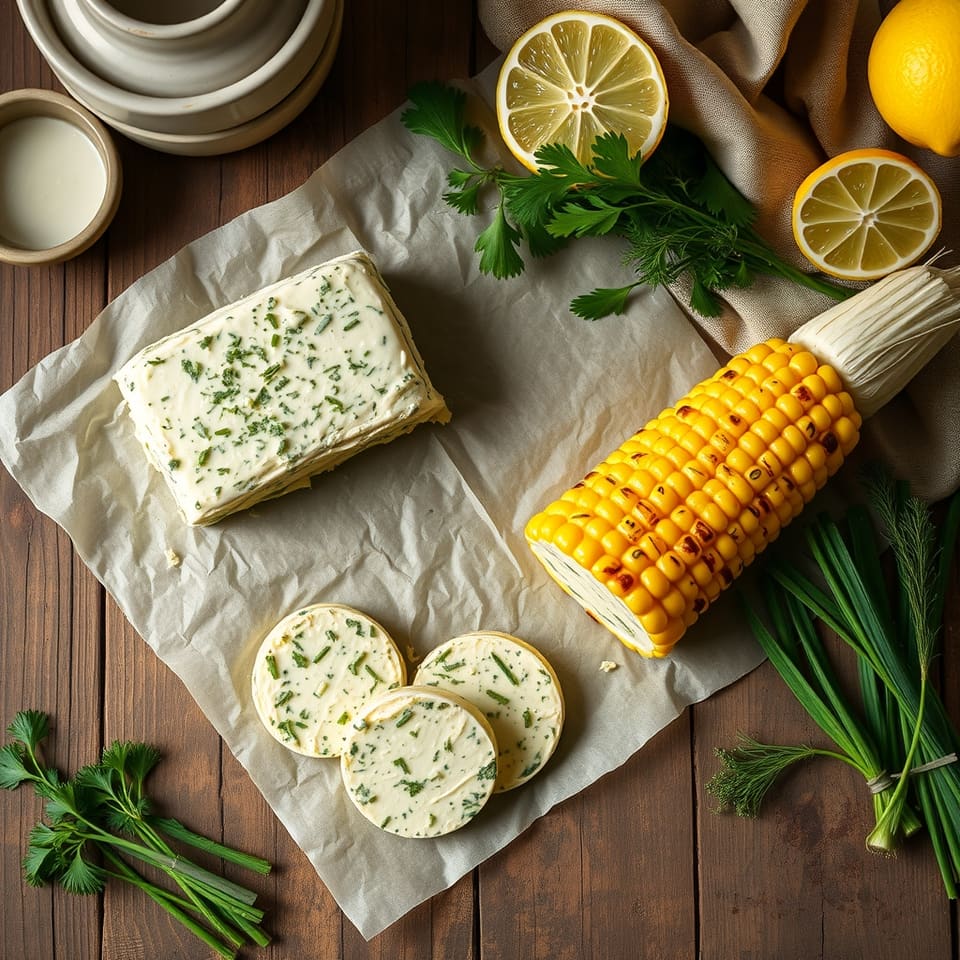
A round of herb butter melting over a hot steak, a fillet of grilled fish or a cob of corn is one of the easiest ways to make a simple meal taste special. It takes about ten minutes, uses herbs you may already have, and keeps well in the freezer.
Cooks in many countries have their own version. French kitchens are known for parsley and garlic butter, and home cooks everywhere roll a log of mixed herbs and lemon to slice over food all summer. Below is a basic recipe, flavor ideas, and the honest facts on safe storage and saturated fat.
Choosing your herbs
Soft, leafy herbs work best raw in butter: parsley, chives, dill, basil, tarragon and cilantro. Chop them very finely so the butter stays smooth and spreads evenly. Woody herbs such as rosemary, thyme, sage and oregano are stronger and a little tough, so strip the leaves, chop them as finely as you can and use less.
A few pairings to start with. For steak and lamb: parsley, thyme, a little garlic and plenty of black pepper. For fish and shrimp: dill, chives and lemon zest. For grilled corn: basil or cilantro with lime zest and a pinch of chili. For roast chicken and vegetables: rosemary and sage.
Basic Lemon Herb Butter
You need
- unsalted butter, softened at room temperature125 g (about 1/2 cup)
- finely chopped fresh soft herbs, such as parsley, chives, dill or basil3 tbsp
- finely chopped fresh thyme or rosemary, optional1 tsp
- small garlic clove, finely grated, optional1
- finely grated lemon zest1 tsp
- lemon juice1 tsp
- flaky salt, or to taste1/4 tsp
- freshly ground black pepper1 pinch
Method
- Leave the butter out for 30 to 60 minutes until soft enough to press with a finger. Do not melt it, or the herbs will sink and the texture will turn greasy.
- Wash the herbs and dry them completely with a clean towel. Water left on the leaves makes the butter split and shortens its life.
- Beat the butter in a bowl with a fork or spatula until creamy, then mix in the herbs, garlic, lemon zest, lemon juice, salt and pepper until evenly green-flecked.
- Spoon the butter onto a sheet of baking paper in a rough line. Roll the paper around it into a log about 4 cm (1 1/2 inches) thick and twist the ends.
- Chill for at least 1 hour, until firm.
- Cut 1 cm (1/2 inch) slices and place one on hot steak, fish, chicken, vegetables or grilled corn just before serving.
- Keep the rest in the fridge and use it within about 4 days, or freeze it.
Tips
- To freeze, cut the whole log into slices, freeze them on a tray, then pack into a freezer bag labeled with the date. Take out one slice at a time.
- For corn, mash a spoonful of herb butter with a little lime zest and chili and brush it over the hot cobs.
- If you only have salted butter, leave out the added salt and taste before seasoning.
Storing herb butter safely
Plain butter keeps well. A food storage chart from University of Missouri Extension gives 1 to 3 months in the refrigerator and 6 to 9 months in the freezer. Herb butter is different, because you are adding fresh plant material and often raw garlic.
Oregon State University Extension explains that garlic and herbs are low in acid and can carry the bacteria that cause botulism, and that oil creates an oxygen-free environment, which gives these bacteria the conditions they need to grow. It advises keeping fresh herbs or garlic in oil in the refrigerator and using them within 4 days, or freezing them.
That guidance is written for oil, not butter. But butter is also a fat that covers the herbs, so the same cautious rule makes sense: keep herb butter in the fridge, use it within about 4 days, and freeze whatever you will not eat by then. Slices go straight from the freezer onto hot food.
What the evidence says
Herb butter is a flavor, not a health food. The NHS lists butter among foods high in saturated fat, and eating too much saturated fat can raise LDL cholesterol, which increases the risk of heart disease and stroke. The NHS advises that men eat no more than 30 g of saturated fat a day and women no more than 20 g.
The good news is that herbs do much of the work here. A thin slice melting on hot food gives a lot of aroma, so you can use less than you would plain butter. The NHS also notes that replacing some saturated fat with unsaturated fats, such as olive oil, can help lower cholesterol. On busy weeknights you can stir the same herbs and lemon into a little olive oil and spoon it over food straight away instead.
Questions people ask
Can I use dried herbs instead of fresh?
Yes. Dried herbs are stronger, so use about a third of the amount, for example 1 tsp dried instead of 1 tbsp fresh, and let the butter sit for 15 minutes before chilling so the flavor spreads.
Can I keep herb butter on the counter like plain butter?
It is safer not to. Fresh herbs and raw garlic change the picture, so keep herb butter in the fridge and only bring it out while you are serving.
How long does herb butter last in the freezer?
Plain butter keeps 6 to 9 months frozen. Herb butter stays safe frozen too, but for the brightest herb flavor we suggest using it within about 3 months.
Sources
- Fat: the facts — NHS
- Herbs and Vegetables in Oil (SP 50-701) — Oregon State University Extension Service
- Storing Foods at Home (N 358) — University of Missouri Extension
- Symptoms of Botulism — CDC
This article is for general information only and is not medical advice. Herbs can interact with medicines and health conditions. Talk to a doctor or pharmacist before trying a herbal remedy, especially if you are pregnant, breastfeeding, giving it to a child, or taking any medication.