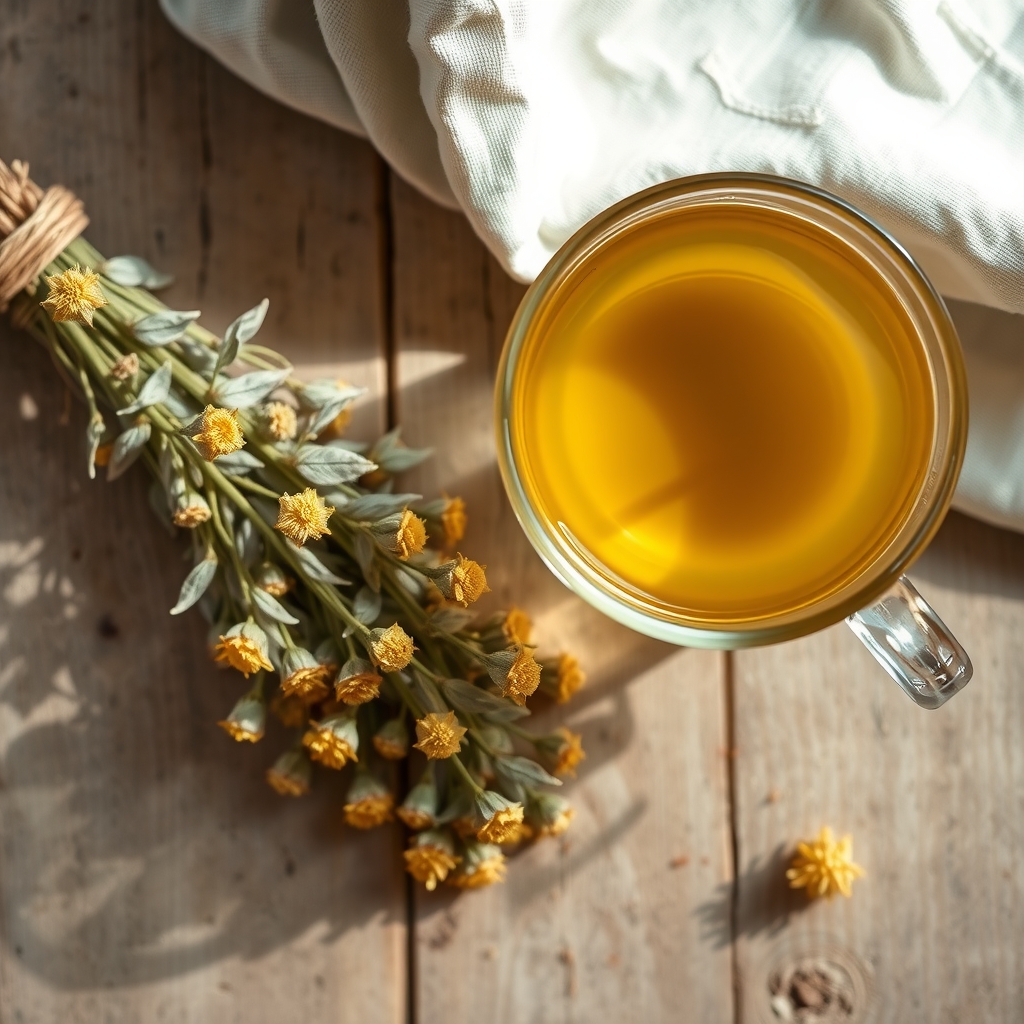
Dandelion Leaf and Root Tea: A Careful Guide
Dandelion makes an earthy, slightly bitter tea. It is traditionally used for digestion and to make you pee more, and that second effect is exactly why it needs some care.
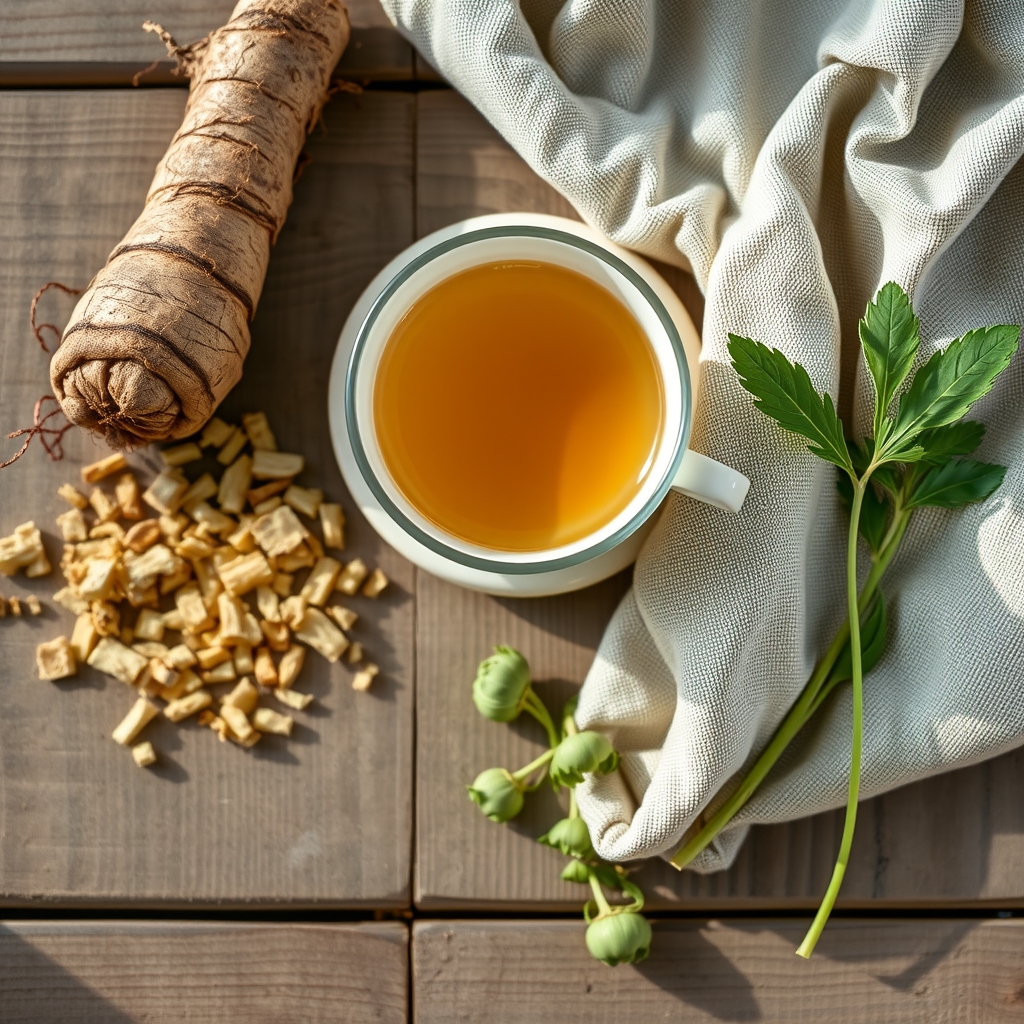
The common lawn dandelion is entirely usable. Young leaves go into salads, and the roasted or dried root brews into an earthy, slightly bitter tea.
Dandelion is traditionally used as a gentle digestive and as a diuretic, meaning it may make you urinate more often. That is also the source of most of its cautions, especially if you take certain medicines. Here is how to make it and when to skip it.
Why people use it
In Europe, dandelion root has a long history of use for mild digestive complaints such as a feeling of fullness, gas and slow digestion, and for a temporary loss of appetite.
It is also traditionally used to increase urine flow and help flush the urinary tract alongside drinking plenty of fluids. Memorial Sloan Kettering notes it can increase how often you urinate.
Dandelion Root and Leaf Tea
You need
- dried chopped dandelion root2 g (about 1 tsp)
- water200 ml (about 3/4 cup)
- fresh young dandelion leaves, washed (optional)2-3
Method
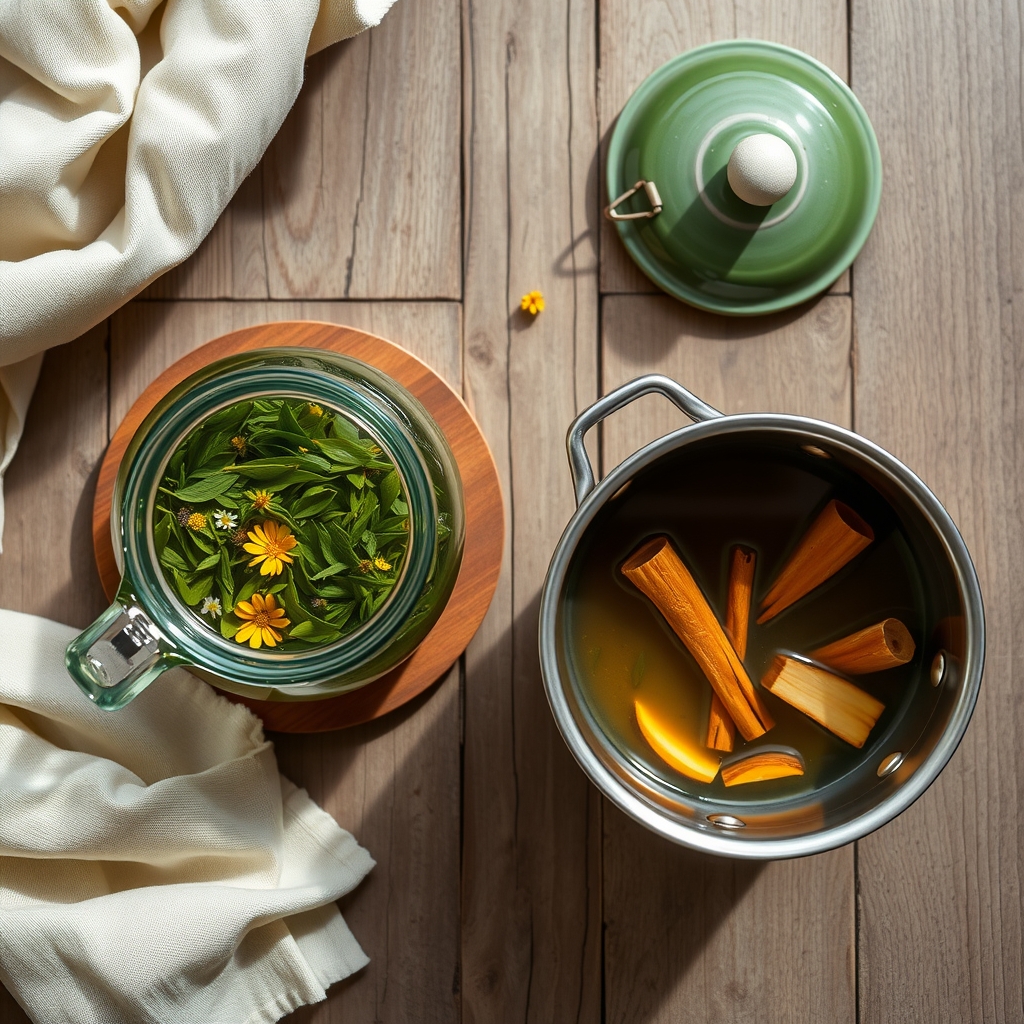
- Put the dandelion root and water in a small saucepan.
- Bring to a boil, then simmer gently for 10 minutes.
- Take the pan off the heat. Tear in the leaves if using, cover and steep for 5 minutes.
- Strain into a mug and drink warm.
Tips
- Drink it earlier in the day, since it may send you to the bathroom more often.
- Keep up your water intake when you drink dandelion tea.
- Two or three cups a day is the usual traditional range. Heavy, long-term use is not a good idea.
What the evidence says
NCCIH is blunt: very little is known about dandelion's effect on human health, and there is no compelling scientific evidence for using it for any health condition. Most research so far has been in the lab.
The European Medicines Agency accepts dandelion root as a traditional herbal medicine for the digestive and urinary uses above, based on long-standing use rather than clinical trials.
Dandelion in the amounts usually found in food is considered likely safe. Less is known about larger, medicinal amounts.
Leaf or root?
The root gives a deeper, coffee-like flavor and is the part with the EU traditional-use monograph described here. The leaves taste greener and more bitter.
If you pick your own, choose plants from areas you know have not been sprayed with weed killers, away from roadsides, and wash them well.
Whichever part you use, keep amounts modest. Memorial Sloan Kettering describes a rare case of serious harm in a person with kidney disease who drank 10 to 15 cups of dandelion tea a day for six months. Ordinary, occasional cups are a very different thing, but it is a reminder that a gentle herb can still cause trouble in large amounts.
Questions people ask
Does dandelion tea make you pee more?
It is traditionally used for that, and Memorial Sloan Kettering notes it can increase how often you urinate. Drink enough water alongside it.
Can I drink dandelion tea with my usual medicines?
Possibly not. Dandelion may interact with water pills, diabetes medicines and some drugs that are processed by the liver, including transplant medicines. Ask your pharmacist before you start drinking it regularly.
Is it safe if I have diabetes?
Dandelion might add to the blood-sugar-lowering effect of diabetes medicines. Check with your doctor before drinking it regularly.
Sources
- Dandelion: Usefulness and Safety — NCCIH
- Dandelion — Memorial Sloan Kettering Cancer Center
- European Union herbal monograph on Taraxacum officinale F.H. Wigg., radix — European Medicines Agency
This article is for general information only and is not medical advice. Herbs can interact with medicines and health conditions. Talk to a doctor or pharmacist before trying a herbal remedy, especially if you are pregnant, breastfeeding, giving it to a child, or taking any medication.